Electronic product development is typically more complicated and involves more steps than developing a non-electronic product. You will still need industrial design, mechanical engineering, CAD development and physical prototyping expertise. However, with an electronic product, additional engineering is needed and must be strategically integrated.
Electronic product design and engineering involves hardware, firmware, software, programming and sometimes wireless communications and app development that must be “technically integrated” into the overall project.
All
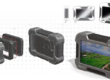
electronic products design require specialized housing or a custom encasement, and all electronic components need to be secure and anchored.
The mechanical and electronic engineers work hand in hand to ensure the functional features and performance goals are met, and properly housed.
The mechanical engineer usually leads the project since they are responsible for the CAD and Encasement design files. The electronic engineer is responsible for performance size and safety/compliance among other important things. The interplay between these engineers is key.
What makes working with IDP more streamlined and effective over other firms and independent electronic engineers is the seamless integration between the mechanical and electronic areas. When working with IDP, both critical disciplines are thought of and planned out from the very beginning to prevent delays, backtracking and extra costs down the road.
Another key benefit of working with IDP for electronic product design, engineering and prototyping, is our manufacturing expertise. We approach all projects from a DFM (Design for Manufacturing) standpoint. When designing an electronic product, we are developing products for mass production. We are also selecting components that we know are available not just for one off prototyping, but for high volume production. This is important as it relates to unit cost, component availability and speed to market! If an electronic product is designed only to make a prototype, you risk redesign steps when going to mass production.
Save time and money when you “integrate” experienced mechanical and electronic engineers at the beginning of any electronic device or electronic product development.
FAQs
1. Why is hardware and software integration important in electronic product development?
Hardware and software integration ensures that electronic components, firmware, mechanical enclosures, and software work together as intended. Integrating these elements early helps identify compatibility issues, reduce redesign costs, and improve product reliability.
2. How do mechanical and electronic engineers work together to develop a product?
Mechanical and electronic engineers collaborate on enclosure design, PCB layout, component placement, thermal management, and safety requirements. Early coordination helps ensure that electronic components fit within the product housing and meet functional and manufacturing requirements.
3. How can design for manufacturing reduce electronic product development costs?
Design for Manufacturing (DFM) helps reduce electronic product development costs by addressing component availability, assembly requirements, material selection, and production constraints early in the design process. This approach can minimize redesigns and support a smoother transition from prototype to mass production.
4. How do you prepare an electronic prototype for mass production?
Preparing an electronic prototype for mass production involves validating hardware and firmware functionality, refining the mechanical enclosure, checking component availability, and reviewing assembly, testing, and regulatory requirements. Design for Manufacturing helps identify potential production issues before scaling up.