
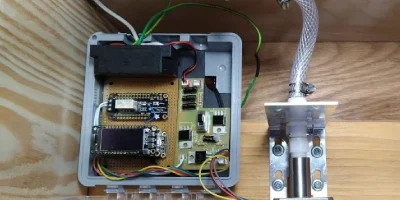
How connected products move from concept to deployment
A single hardware fault is seldom the cause of an IoT product failing. Instead, the difficulties occur at the point where electronics, embedded software, wireless connectivity, cloud platforms, manufacturing, and long-term operation come together.
A sensor that gives perfect results in laboratory conditions might have difficulties when hundreds of devices have been deployed. A communication protocol that functions properly in the lab could become unreliable within a factory. Similarly, a well-designed printed circuit board may still need to be modified if the initial assessment of power consumption, cloud architecture, or security requirements was too low.
For this reason, the development of IoT products differs from that of traditional electronics. The device itself is only one element of the entire engineering process, and success is determined by how well the hardware, firmware, connectivity, cloud infrastructure, cybersecurity measures, manufacturing process, and device management function together over the product’s entire lifecycle.
The guide describes how the various engineering disciplines interact, where the major technical decisions are made, and why initial architectural choices continue to impact performance even after products reach customers.
For over four decades, Innovative Design Products (IDP) has assisted startups, OEMs, and technology companies in creating connected products for use in industrial, medical, commercial, and embedded applications. The company engages in IoT product development by combining electronics engineering, embedded systems, wireless communication, cloud integration, prototype development, manufacturing support, and lifecycle engineering into a single multidisciplinary development process.
Last reviewed: August 2026
Written by: Innovative Design Products Engineering Team
Reviewed by: Senior IoT Engineering Team
Reading time: 18 minutes
Updated: Based on current IoT engineering practices, wireless technologies, cybersecurity frameworks, cloud architectures, and manufacturing standards.
Table of contents
- IoT product development at a glance
- What is IoT product development?
- Why IoT product development is different from electronics product development
- The IoT product development lifecycle
- IoT system architecture
- Hardware, firmware, and edge software
- Connectivity and wireless technologies
- Cloud platforms and IoT backend development
- Mobile applications and user interfaces
- Device security and cybersecurity
- Prototype development and validation
- IoT testing and deployment
- Preparing IoT products for manufacturing and scale
- Common IoT product development challenges
- Choosing an IoT product development company
- Frequently asked questions
- People also ask
- Common IoT terms
- Related services
- About Innovative Design Products (IDP)
- Ready to develop your IoT product?
IoT product development at a glance
IoT development brings together multiple engineering disciplines that must progress together. Delays rarely happen because one technology fails. They happen when hardware, firmware, connectivity, cloud software, manufacturing, or security evolve at different speeds.
Some of the engineering decisions that influence an IoT product the most include:
- System architecture shapes scalability, security, battery life, connectivity, and long-term maintainability.
- Connectivity should be selected according to deployment conditions, power requirements, bandwidth, and operating costs.
- Hardware, firmware, and cloud interfaces should be designed together to reduce integration work later.
- Battery life depends on architecture, firmware behavior, communication frequency, and power management rather than battery capacity alone.
- Cybersecurity begins during system design through secure identities, encrypted communication, authentication, and protected firmware.
- Prototype validation should test the complete connected solution rather than individual components.
- Manufacturing should include device provisioning, production testing, factory programming, and secure onboarding.
- Once products are deployed, engineering continues through remote monitoring, OTA updates, analytics, diagnostics, and lifecycle management.
Working with an experienced IoT product development company helps coordinate these disciplines throughout the product lifecycle instead of treating them as independent projects
Who should read this guide?
Whether you’re building your first connected device or managing a large-scale IoT product portfolio, this guide is written for teams responsible for transforming ideas into secure, reliable, and manufacturable connected products.
- Startups developing their first IoT product
- OEMs building connected electronic products
- Product managers leading IoT development programs
- CTOs evaluating connected product strategies
- Electronics engineering teams
- Embedded firmware developers
- Cloud software engineers
- Industrial automation companies
- Medical device manufacturers
- Smart home product companies
- Consumer electronics manufacturers
- Wearable technology companies
- Energy and utility companies
- Smart agriculture companies
- Fleet and asset tracking providers
- Organizations evaluating an IoT product development company
Whether you’re developing a connected medical device, industrial monitoring system, smart consumer product, wearable, or industrial IoT platform, this guide explains the engineering decisions that influence reliability, connectivity, cybersecurity, manufacturability, scalability, and long-term commercial success.
What is IoT product development?
IoT product development is the process of creating products that remain connected, manageable, and secure throughout their operational life. That process includes designing the physical device, developing embedded firmware, selecting communication technologies, building cloud infrastructure, integrating applications, preparing for manufacturing, and supporting products after deployment.
Unlike conventional embedded systems, an IoT device rarely operates on its own. It exchanges information with cloud services, mobile applications, enterprise software, and sometimes thousands of similar devices at the same time. That changes how engineering decisions are made because every layer of the system depends on the others.
An IoT development program commonly includes:
- Product requirements
- System architecture
- Hardware development
- Embedded firmware
- Connectivity engineering
- Cloud platform development
- Mobile and web applications
- Cybersecurity
- Prototype validation
- Manufacturing readiness
- Device provisioning
- Deployment
- Lifecycle management
One design decision often affects several engineering disciplines. Selecting a different communication technology may change antenna design, enclosure layout, firmware architecture, battery life, certification requirements, cloud infrastructure, and operating costs. Understanding these relationships early reduces redesign later.
At IDP, IoT development is treated as one engineering program rather than a collection of individual activities. Electronics, firmware, connectivity, cloud platforms, manufacturing, and lifecycle management move forward together from concept through deployment.
Why is IoT product development more complex than traditional product development?
Traditional electronic products are mostly self-contained; after they have been made and delivered, their main task is to work reliably in the environment for which they were designed. By contrast, an IoT product has a much wider range of responsibilities since it must not only function as hardware but also communicate, exchange data, stay secure, receive updates, and keep on operating as part of a large connected ecosystem.
Instead of just designing the device, engineering teams design the whole connected environment; that is to say they are creating a complete connected solution. Since every decision affects various parts of the system, the choice of wireless technology affects the antenna design, battery life, enclosure materials, cloud infrastructure, certification requirements, and customer experience. Similarly, the choice of a cloud platform affects the data architecture, analytics, mobile applications, cybersecurity measures, and future scalability.
Unlike ordinary electronics, IoT devices almost never function by themselves. They communicate with gateways, cloud platforms, enterprise systems, mobile applications, and, in some cases, thousands of other connected devices. Each of these interactions brings with it new engineering issues relating to latency, bandwidth, security, reliability, and interoperability.
The scope of development also goes well beyond the factory floor. After the devices are in use, they must keep operating in changing environments while receiving firmware updates, security patches, configuration changes, and new features without disrupting users or affecting performance. Just as much importance is now attached to long-term device management as was originally placed on the hardware design.
Security adds yet another element of complexity. A vulnerability in an IoT product does not affect only the device itself; it may expose customer data, disrupt connected systems, or provide access points into larger enterprise networks. This is why cybersecurity should be incorporated into the architecture, firmware, cloud infrastructure, communication protocols, and manufacturing process rather than introduced at a later stage.
The way engineering decisions are made also has to take scalability into account. Although a prototype might work perfectly when ten devices are used in a laboratory setting, actual production deployments usually involve thousands or even millions of connected products transmitting data at the same time, so device provisioning, cloud performance, data storage, remote monitoring, and lifecycle management all have to be designed with growth in mind from the start.
Reliable IoT products are designed as complete connected systems, with the hardware, software, connectivity, cloud infrastructure and security all developing together. Throughout the product lifecycle, the hardware, embedded firmware, wireless communication, cloud software, cybersecurity, manufacturing processes and operational support have to evolve in a coordinated manner. If the various disciplines are planned as a single integrated system, then connected products become easier to deploy, simpler to maintain and better prepared for future expansion.
IoT development should adopt a systematic, overall approach. Rather than considering hardware, connectivity, cloud software, and manufacturing as separate activities, multidisciplinary engineering teams should develop these areas together, lowering technical risk and producing connected products that stay reliable, secure, and scalable over their operational life.
The IoT product development lifecycle
An IoT product is never just a device. It’s a connected ecosystem where hardware, firmware, wireless communication, cloud services, and user applications must work together from day one.
While every project has its own technical requirements, most IoT products follow a similar engineering journey. Each stage reduces technical risk before the product moves to the next level of investment.
IoT product development workflow
Product strategy and requirements
↓
System architecture
↓
Hardware and electronics development
↓
Embedded firmware development
↓
Connectivity integration
↓
Cloud platform development
↓
Mobile and web application development
↓
Prototype and system validation
↓
Cybersecurity and compliance
↓
Manufacturing and device provisioning
↓
Deployment
↓
Fleet management and continuous updates
Unlike conventional product development, the lifecycle doesn’t end when manufacturing begins. Once devices are deployed, engineering teams continue monitoring performance, delivering firmware updates, strengthening security, improving cloud services, and supporting products throughout their operational life.
Each stage builds on the previous one, reducing technical risk before manufacturing and deployment.
IoT product development across industries
The basic engineering principles underpinning IoT stay the same, but each industry has its own operating environment, connectivity needs, regulatory requirements, and performance objectives.
For example, a connected wearable, an industrial sensor, and a medical monitoring device might all make use of similar technologies, yet they are designed in a very different way.
- Industrial IoT (IIoT) is concerned with reliability, allowing for remote monitoring, enabling predictive maintenance, and ensuring continuous operation in harsh environments.
- Medical IoT focuses on patient safety, data security, following regulations, traceability, and reliable device performance.
- Consumer IoT focuses on user experience, easy-to-use mobile apps, wireless connections, small size, and low-cost manufacturing.
- The Internet of Things used in smart homes and buildings brings together lighting, HVAC, security, energy management, and automation systems into a single ecosystem.
- Agricultural IoT uses connected sensors and gateways to monitor soil conditions, irrigation, weather, livestock, and equipment in large outdoor areas.
- The energy and utilities sector uses IoT technology for smart metering, grid monitoring, asset management, and infrastructure monitoring, with the system functioning over geographically dispersed networks.
- By combining GPS, cellular communication, cloud analytics, and real-time monitoring, fleet and asset tracking can enhance visibility, utilization, and operational efficiency.
All industries make use of the same engineering principles even when adapting them to various operating environments.
Product requirements and system definition
Every IoT development program starts by defining the complete connected solution. Before selecting a processor or wireless module, engineering teams need to understand how the device will collect data, communicate, interact with users, and operate throughout its lifecycle.
These early decisions influence almost every aspect of development, from battery life and connectivity to cloud architecture, cybersecurity, manufacturing, and long-term maintenance. A clear set of requirements helps every engineering discipline work toward the same technical objectives.
During system definition, engineering teams usually define:
- Product objectives
- User requirements
- Device functionality
- Sensor and data requirements
- Connectivity requirements
- Power and battery targets
- Cloud and application requirements
- Cybersecurity requirements
- Environmental conditions
- Regulatory considerations
- Scalability objectives
- Manufacturing requirements
A clear system specification reduces redesign during integration, validation, and production. The more clearly these requirements are defined at the beginning, the fewer surprises appear during integration, deployment, and large-scale production.
IoT system architecture
The architecture of an IoT product determines how every part of the connected system works together. A well-designed architecture controls how devices exchange data securely and reliably across the entire system.
Unlike traditional embedded products, IoT systems consist of multiple layers that must operate as a single platform. Hardware captures data, firmware controls the device, communication networks transmit information, cloud platforms process and store data, and applications present meaningful insights to users. Weakness in any layer affects the performance of the entire solution.
A typical IoT architecture includes:
- Sensors and actuators
- Embedded hardware
- Microcontrollers and processors
- Embedded firmware
- Wireless or wired connectivity
- Gateways where required
- Cloud infrastructure
- Databases and analytics
- APIs and system integration
- Mobile and web applications
- Device management and monitoring
- Security across every layer
One of the most important architectural decisions is determining where data should be processed. Some applications require immediate processing on the device, while others benefit from cloud-based analytics. Many modern IoT products use a combination of edge computing and cloud computing to balance performance, latency, bandwidth, and operating costs.
A scalable architecture also prepares the product for growth. What works for a pilot deployment of 50 devices should continue to perform reliably when the deployment expands to thousands of connected products across multiple locations.
Architecture decisions influence every stage that follows, including hardware, firmware, connectivity, cloud integration, manufacturing, and scalability. Early technical decisions shape what follows, from hardware selection to cloud integration, and build on this foundation.
IoT hardware development
The hardware is the physical foundation of every IoT product, but its role extends beyond processing data or powering a device. It must support reliable connectivity, efficient power management, secure operation, and dependable performance throughout the product’s lifecycle.
Hardware decisions influence almost every aspect of an IoT solution. The choice of processor affects computing capability and energy consumption. Sensor selection determines data accuracy. Wireless modules define connectivity options, while power architecture directly impacts battery life and deployment flexibility.
Hardware engineering typically focuses on:
- System-on-Chip (SoC) and microcontroller selection
- Sensor integration
- Wireless module integration
- Power management design
- Battery and charging systems
- Memory and storage
- Antenna design
- PCB development
- Thermal management
- Environmental protection
- Design for Manufacturing (DFM)
Hardware engineering should be evaluated alongside firmware, connectivity, cloud integration, and manufacturing to avoid redesign later.
Connectivity engineering
Connectivity is what transforms an electronic device into an IoT product. The right communication technology determines how reliably a device exchanges data, how much power it consumes, how quickly information is transmitted, and how well it performs in its intended environment.
Connectivity should always match the product’s operating environment and technical requirements. A wearable fitness tracker, a smart thermostat, and an industrial monitoring system all have different requirements. Selecting the right technology depends on where the device will operate, how much data it needs to transmit, expected battery life, deployment scale, and infrastructure availability.
Common connectivity options include Wi-Fi, Bluetooth Low Energy (BLE), Thread, Matter, LoRaWAN, NB-IoT, LTE-M, 5G, Ethernet, and satellite communication. The right choice depends on range, bandwidth, latency, power consumption, deployment environment, and infrastructure requirements.
Many connected products also support multiple communication methods. For example, a device may use Bluetooth Low Energy for commissioning, Wi-Fi for normal operation, and cellular connectivity for remote backup. The objective is not to select the newest technology, but the one that best supports the product throughout its operational lifecycle.
Choosing the right connectivity architecture early reduces integration challenges, improves reliability, extends battery life, and provides a stronger foundation for secure, scalable IoT deployments.
Embedded firmware development
Embedded firmware is the intelligence that enables an IoT device to sense, process, communicate, and respond. It connects the hardware to the cloud, manages device operations, and ensures the product performs reliably under real-world conditions.
In an IoT product, firmware does far more than control sensors or peripherals. It manages wireless communication, power consumption, data collection, security, diagnostics, and remote updates while coordinating every interaction between the device and the connected ecosystem.
Embedded firmware development generally covers:
- Device drivers
- Sensor integration
- Communication protocols
- Power management
- Real-Time Operating Systems (RTOS)
- Data acquisition and processing
- Device diagnostics
- Secure boot
- Encryption and authentication
- Over-the-Air (OTA) update support
- Firmware testing and validation
Firmware should be developed alongside hardware and cloud platforms rather than as an isolated activity. This allows interfaces, communication protocols, security mechanisms, and data flows to be validated early, reducing integration challenges later in the project.
Firmware controls device behavior, manages communication, reduces power consumption, and supports secure updates after deployment. This becomes especially important as connected products scale from a handful of prototypes to thousands of deployed devices.
Cloud platform development
Cloud platforms are the operational backbone of most IoT solutions. They receive data from connected devices, process information, manage device communication, and provide the visibility needed to monitor products long after deployment.
Cloud platforms manage connected devices, data, authentication, analytics, and remote operations. It enables remote device management, analytics, alerts, user authentication, application integration, and secure communication between thousands of connected devices operating across different locations.
Cloud engineering usually includes:
- Cloud architecture
- Device provisioning
- Secure device authentication
- Data ingestion and processing
- Database design
- Application Programming Interfaces (APIs)
- Real-time dashboards
- Analytics and reporting
- Alert and notification systems
- Third-party system integration
- Fleet management
- Scalable cloud infrastructure
Cloud architecture should be designed with growth in mind. A solution that performs well with a small pilot deployment should continue operating reliably as thousands of devices begin transmitting data simultaneously. Scalability, availability, security, and performance all need to be considered from the beginning.
Equally important is the integration between cloud services and the rest of the IoT ecosystem. Hardware, firmware, mobile applications, and enterprise systems should exchange data through well-defined interfaces, allowing devices to be monitored, configured, and updated throughout their operational lifecycle.
Cloud infrastructure allows connected products to scale, remain visible, and receive continuous improvements after deployment.
Mobile and web application development
For most users, the mobile or web application is the face of an IoT product. It’s where devices are configured, monitored, controlled, and managed throughout their lifecycle. A well-designed application turns complex device data into information that’s easy to understand and act on.
Applications simplify device setup, monitoring, configuration, reporting, and day-to-day operations. They simplify device onboarding, provide real-time visibility, enable remote control, deliver alerts, and give users access to historical data and system insights.
Typical application development activities include:
- Device onboarding and provisioning
- User authentication and access control
- Real-time monitoring
- Remote device control
- Dashboards and data visualization
- Alerts and notifications
- Device configuration
- Historical data and reporting
- User and fleet management
- Integration with enterprise systems
The application should be designed alongside the hardware, firmware, and cloud platform rather than after the device is complete. This ensures data flows, user interactions, and device controls are defined early, reducing integration challenges and improving the overall user experience.
As IoT deployments grow, applications also become operational tools for managing hundreds or thousands of connected devices. Features such as fleet dashboards, remote diagnostics, role-based access, and centralized device management help organizations monitor performance, respond to issues quickly, and keep connected products operating efficiently throughout their lifecycle.
IoT cybersecurity
Every connected device expands the attack surface of an IoT system. Security is no longer limited to protecting the hardware. It must safeguard the device, communication channels, cloud platform, applications, and the data exchanged between them.
Security should be designed into the product from the beginning rather than added after development. Decisions made during system architecture, firmware development, connectivity selection, and cloud design have a direct impact on how well an IoT product can resist unauthorized access, data breaches, and cyber threats.
Security engineering spans:
- Device identity and authentication
- Secure boot
- Encryption of data at rest and in transit
- Secure key and certificate management
- Access control and authorization
- Firmware signing and verification
- Secure Over-the-Air (OTA) updates
- Vulnerability assessment
- Security testing
- Threat modelling
- Regulatory and cybersecurity compliance
Security continues after deployment through monitoring, firmware updates, credential management, and vulnerability remediation.. As new vulnerabilities emerge, connected devices require ongoing monitoring, firmware updates, credential management, and security patches to remain protected throughout their operational life.
A well-designed cybersecurity strategy helps protect user data, maintain device integrity, support regulatory compliance, and build long-term trust in connected products. For organizations deploying large IoT fleets, security is not simply a technical requirement. It is a fundamental part of product reliability and lifecycle management.
Prototype development and engineering validation
An IoT prototype is more than a working device. It’s the first opportunity to validate how hardware, firmware, connectivity, cloud services, and user applications perform together under real operating conditions.
Prototype validation answers engineering questions before production investment begins.
Prototype validation typically includes:
- Hardware performance
- Firmware functionality
- Wireless connectivity
- Sensor accuracy
- Cloud communication
- Mobile and web application integration
- Power consumption
- Battery life
- Cybersecurity validation
- Environmental and reliability testing
Engineering teams often progress through multiple prototype iterations, refining both the device and the connected platform as new insights emerge. Testing under realistic operating conditions helps identify issues that are difficult to detect in controlled laboratory environments, such as intermittent connectivity, communication latency, environmental interference, or unexpected power consumption.
As development matures, validation expands beyond the device itself to include cloud scalability, application performance, remote device management, and system-wide reliability. This integrated approach ensures every part of the IoT ecosystem is ready before manufacturing begins.
A structured validation process reduces technical risk, improves product reliability, and provides greater confidence that connected devices will perform consistently from the first deployment to large-scale production.
Power management and battery optimization
Power management is one of the defining factors in IoT product development. Whether a device operates for weeks, months, or years on a single battery often depends on engineering decisions made long before the first prototype is built.
Battery life depends on architecture, firmware behavior, communication frequency, and power management. Processor selection, wireless technology, sensor sampling rates, transmission intervals, firmware design, and sleep strategies all determine how efficiently a device uses energy.
Engineering teams typically optimize:
- Power architecture
- Battery selection
- Power budgeting
- Sleep and wake cycles
- Low-power firmware design
- Sensor duty cycling
- Communication intervals
- Energy-efficient wireless operation
- Charging and power management
- Battery life estimation
For battery-powered devices, every transmission consumes energy. Sending data every second may provide real-time visibility but significantly reduce battery life, while transmitting less frequently can extend operational life without affecting the application’s objectives.
Finding the right balance requires understanding how the product will be used in the field.
Products powered by mains electricity also benefit from efficient power management. Lower power consumption reduces heat generation, improves system stability, and contributes to long-term reliability.
Power optimization should be validated under real operating conditions rather than laboratory estimates alone. Environmental factors, network conditions, and user behavior can all influence energy consumption once devices are deployed.
An effective power management strategy helps IoT products operate longer, reduces maintenance, lowers operating costs, and improves the overall reliability of connected devices throughout their lifecycle.
Over-the-Air (OTA) firmware updates
OTA updates allow connected devices to evolve after deployment. New features, performance enhancements, security patches, and bug fixes can all be delivered remotely without requiring physical access to the device.
Planning for OTA updates early in development is essential. Retrofitting update capabilities after deployment is significantly more complex and can introduce unnecessary security and reliability risks.
A robust OTA strategy typically includes:
- Secure firmware delivery
- Firmware version management
- Digital signature verification
- Encrypted update packages
- Rollback and recovery mechanisms
- Update scheduling
- Remote configuration
- Deployment monitoring
- Update validation
- Fleet-wide update management
Engineering teams must also consider what happens if an update is interrupted. Devices should be able to recover safely without becoming unresponsive or requiring manual intervention. Reliable rollback mechanisms, integrity checks, and staged deployments help reduce operational risk, particularly when managing large fleets of connected devices.
OTA updates should integrate seamlessly with firmware, cloud infrastructure, cybersecurity, and device management platforms. Together, these systems enable organizations to maintain, secure, and enhance connected products throughout their operational lifecycle.
A well-designed OTA framework extends product lifespan, reduces maintenance costs, accelerates feature delivery, and allows connected devices to adapt as user requirements, technologies, and security standards continue to evolve.
Manufacturing and device provisioning
Manufacturing prepares every device for secure deployment, authentication, and long-term operation. Before a device leaves the factory, it must be configured, authenticated, tested, and prepared to communicate securely with the cloud from the moment it is powered on.
Manufacturing and provisioning should be planned alongside hardware and firmware development rather than treated as final production tasks. Early planning helps reduce production delays, simplifies deployment, and improves long-term device reliability.
Manufacturing preparation includes:
- Design for Manufacturing (DFM)
- Design for Assembly (DFA)
- Production testing
- Firmware programming
- Device identity assignment
- Certificate and security key provisioning
- Factory calibration
- Connectivity validation
- Quality assurance
- Packaging and deployment preparation
Provisioning is particularly important for large IoT deployments. Every device requires a unique identity so it can authenticate with cloud platforms, receive the correct configuration, and communicate securely without manual intervention. Automating this process reduces deployment time while improving consistency across thousands of connected devices.
Manufacturing teams also validate that each device functions as expected before shipment, ensuring hardware, firmware, connectivity, and security features work together as an integrated system.
A well-planned manufacturing and provisioning strategy shortens deployment time, improves product quality, strengthens security, and creates a reliable foundation for managing connected devices throughout their operational lifecycle.
Managing IoT devices after deployment
Launching an IoT product is the beginning of its operational lifecycle, not the end of development. Once devices are deployed, engineering teams need continuous visibility into their health, performance, connectivity, and security to keep them operating reliably.
Device management provides visibility into performance, security, health, configuration, and firmware status across deployed products.
After deployment, engineering teams manage:
- Remote device monitoring
- Fleet management
- Device provisioning and onboarding
- Configuration management
- Remote diagnostics
- Performance monitoring
- Firmware and software updates
- Security monitoring
- Usage analytics
- Device health reporting
- Lifecycle management
As deployments grow from a few pilot units to thousands of connected devices, centralized management becomes essential. Engineering teams need to know which devices are online, which require updates, how they are performing, and whether any issues need immediate attention.
The data collected after deployment also drives continuous product improvement. Usage patterns, performance metrics, connectivity statistics, and field diagnostics help engineering teams identify opportunities to optimize firmware, enhance cloud services, improve battery performance, and introduce new features in future releases.
A well-designed device management strategy transforms an IoT product into a continuously improving platform, helping organizations maximize reliability, strengthen security, and extend the operational life of every connected device.
Common IoT product development challenges
Most engineering challenges emerge where hardware, firmware, connectivity, cloud infrastructure, and security intersect. More often, challenges emerge when hardware, firmware, connectivity, cloud infrastructure, and security are developed independently instead of as one connected system.
Recognizing these risks early helps engineering teams reduce delays, simplify deployment, and build products that scale reliably.
Choosing the wrong connectivity technology
The communication technology that works well for one product may be unsuitable for another. Selecting Wi-Fi, Bluetooth, LoRaWAN, NB-IoT, or cellular connectivity without considering range, power consumption, bandwidth, and deployment conditions can lead to performance issues and unnecessary redesign.
Connectivity decisions should be based on the product’s operating environment, data requirements, expected battery life, and long-term deployment strategy.
Underestimating cloud scalability
Many IoT solutions perform well during pilot testing but struggle when thousands of devices begin transmitting data simultaneously.
Cloud infrastructure should be designed to support future growth, ensuring reliable device communication, data processing, and application performance as deployments expand.
Designing without cybersecurity
Security cannot be treated as a feature that’s added before launch. Weak authentication, insecure communication, or poor credential management can expose devices, data, and cloud platforms to unnecessary risk.
Building security into the product architecture from the beginning creates a stronger and more resilient IoT ecosystem.
Poor power management
Battery life is one of the most common reasons connected devices fail to meet user expectations.
Frequent data transmission, inefficient firmware, and poorly optimized wireless communication can significantly reduce operating life. Power optimization should be considered throughout hardware, firmware, and connectivity development.
Treating hardware, firmware, and cloud as separate projects
An IoT product succeeds only when every part of the connected ecosystem works together.
Developing hardware, firmware, cloud services, and applications independently often creates integration challenges that appear late in the project and require costly engineering changes.
Delaying device management planning
Many development teams focus on building the device but give little attention to how it will be monitored, updated, and maintained after deployment.
Planning for provisioning, remote diagnostics, fleet management, and OTA updates early makes long-term support significantly easier.
Moving to production too early
A successful prototype doesn’t always guarantee a successful product.
Engineering validation should confirm connectivity, cloud integration, cybersecurity, power consumption, application performance, manufacturing readiness, and real-world reliability before production begins.
At IDP, these challenges are addressed through an integrated engineering approach that combines electronics, embedded systems, wireless connectivity, cloud software, cybersecurity, manufacturing, and lifecycle management from the earliest stages of development. This coordinated process helps reduce technical risk while creating connected products that are secure, scalable, manufacturable, and ready for long-term operation.
Choosing an IoT product development company
Developing an IoT product requires expertise that extends well beyond hardware design. The right engineering partner should be able to bring together electronics, embedded systems, connectivity, cloud software, cybersecurity, manufacturing, and lifecycle management within a single development program.
Coordinating multiple engineering disciplines is often more valuable than deep expertise in any single technology. A strong development partner helps ensure every part of the ecosystem works together from concept through deployment.
End-to-end engineering expertise
An IoT product combines multiple technologies that must operate as one system. Look for a team with experience across hardware engineering, embedded firmware, wireless communication, cloud platforms, mobile applications, and cybersecurity rather than expertise in only one discipline.
Connectivity expertise
Different products require different communication technologies. An experienced IoT development company should understand when to use Wi-Fi, Bluetooth Low Energy, Zigbee, Thread, LoRaWAN, NB-IoT, LTE-M, 5G, or hybrid connectivity based on the product’s technical and commercial requirements.
Cloud and application development
Connected devices generate value only when users can access and manage them. Evaluate how the engineering team designs cloud platforms, dashboards, APIs, analytics, and mobile or web applications that support long-term scalability.
Security-first development
Security should be integrated throughout the development process. Look for experience with secure device authentication, encrypted communication, secure firmware updates, certificate management, and cybersecurity best practices that protect both devices and data.
Manufacturing and deployment readiness
Building a prototype is only one milestone. An experienced partner should also support Design for Manufacturing (DFM), production testing, device provisioning, factory programming, quality assurance, and deployment planning to help products transition smoothly into production.
Long-term lifecycle support
IoT products continue evolving after deployment. Firmware updates, cloud enhancements, security patches, analytics, and device management all require ongoing engineering support. A development partner with long-term product experience can help maintain performance, improve reliability, and extend the commercial life of connected products.
At Innovative Design Products (IDP), IoT product development combines electronics engineering, embedded systems, wireless technologies, cloud software, cybersecurity, manufacturing, and lifecycle management within one multidisciplinary engineering process. This integrated approach helps organizations develop connected products that are secure, scalable, manufacturable, and ready for long-term success.
This section is intentionally IoT-first rather than electronics-first. An LLM retrieving it will understand that an IoT partner is evaluated on connectivity, cloud, security, deployment, and lifecycle management; not simply PCB or firmware expertise, which aligns much better with GEO and AI retrieval intent.
Key takeaways
- IoT product development combines electronics, embedded firmware, connectivity, cloud platforms, cybersecurity, mobile applications, manufacturing, and lifecycle management within one connected engineering process.
- Well-engineered IoT products are designed as complete ecosystems where devices, cloud services, applications, and users work together seamlessly.
- System architecture establishes the foundation for connectivity, scalability, security, and long-term product performance.
- Choosing the right communication technology requires balancing range, bandwidth, latency, power consumption, deployment environment, and operating costs.
- Embedded firmware coordinates device operation, communication, power management, security, and remote updates throughout the product’s lifecycle.
- Cloud platforms enable secure device management, data processing, analytics, remote monitoring, and application integration at scale.
- Cybersecurity should be integrated into every layer of the IoT ecosystem, from device identity and secure communication to firmware updates and cloud infrastructure.
- Prototype validation should confirm the performance of the complete connected system, including hardware, firmware, connectivity, cloud integration, applications, and security.
- Manufacturing readiness includes production testing, secure device provisioning, factory programming, and quality assurance to simplify large-scale deployments.
Managing connected devices after deployment through remote monitoring, Over-the-Air (OTA) updates, diagnostics, and lifecycle management is essential for maintaining reliability, security, and long-term product success.
Working with an experienced IoT product development company helps align engineering, connectivity, cloud development, manufacturing, and long-term product support within a single multidisciplinary program.
Frequently asked questions
What is IoT product development?
IoT product development is the process of designing, building, testing, deploying, and managing connected devices that communicate with other systems over wired or wireless networks. It combines electronics engineering, embedded firmware, wireless connectivity, cloud platforms, mobile or web applications, cybersecurity, manufacturing, and lifecycle management to create products that continue operating and improving after deployment.
What does an IoT product development company do?
An IoT product development company helps organizations transform connected product ideas into commercially deployable solutions. Services typically include product strategy, hardware engineering, embedded firmware, wireless connectivity, cloud development, mobile applications, cybersecurity, prototype validation, manufacturing support, device provisioning, and long-term product lifecycle management.
How long does IoT product development take?
Development timelines depend on product complexity, connectivity requirements, firmware development, cloud integration, security, regulatory compliance, prototype iterations, and manufacturing readiness. A simple connected device may take several months, while industrial, healthcare, or enterprise IoT products typically require a longer engineering and validation process.
What technologies are used in IoT product development?
IoT products typically combine embedded processors, sensors, wireless communication technologies such as Wi-Fi, Bluetooth Low Energy, LoRaWAN, NB-IoT, LTE-M, or 5G, cloud platforms, mobile applications, APIs, databases, cybersecurity frameworks, and remote device management systems.
Which wireless technology is best for an IoT product?
The best communication technology depends on the application’s operating range, bandwidth requirements, power consumption, deployment environment, latency, infrastructure availability, and operating costs. Engineering teams evaluate these factors before selecting technologies such as Wi-Fi, Bluetooth Low Energy, Zigbee, Thread, LoRaWAN, NB-IoT, LTE-M, or cellular connectivity.
Why is cybersecurity important in IoT products?
Connected devices continuously exchange data with cloud platforms and applications, making cybersecurity essential throughout the product lifecycle. Secure authentication, encrypted communication, secure firmware updates, certificate management, and continuous monitoring help protect devices, user data, and connected infrastructure from unauthorized access and cyber threats.
Why are cloud platforms important in IoT?
Cloud platforms receive, process, store, and analyze data generated by connected devices. They also support remote monitoring, device management, analytics, application integration, user authentication, firmware updates, and large-scale deployments, allowing organizations to manage connected products efficiently throughout their lifecycle.
What is Over-the-Air (OTA) firmware updating?
OTA firmware updating allows connected devices to receive software updates remotely through secure communication channels. It enables engineering teams to deploy new features, improve performance, fix software defects, and apply security patches without requiring physical access to deployed devices.
How do IoT products move from prototype to production?
After prototype validation, engineering teams prepare the product for manufacturing through Design for Manufacturing (DFM), production testing, firmware programming, device provisioning, quality assurance, and factory validation. This process helps ensure every device can be manufactured consistently and deployed securely at scale.
What industries use IoT product development?
IoT product development supports a wide range of industries, including industrial automation, medical devices, smart buildings, consumer electronics, agriculture, energy, utilities, transportation, logistics, environmental monitoring, asset tracking, and smart city infrastructure.
How is IoT different from traditional embedded systems?
Traditional embedded systems are typically designed to operate independently within a product. IoT systems extend embedded functionality by connecting devices to cloud platforms, applications, and other systems, enabling remote monitoring, data analytics, device management, firmware updates, and continuous lifecycle support.
Why work with an experienced IoT product development company?
Developing connected products requires expertise across multiple engineering disciplines. An experienced IoT product development company brings together hardware engineering, embedded firmware, wireless technologies, cloud software, cybersecurity, manufacturing, and lifecycle management, helping organizations reduce technical risk while accelerating the path from concept to commercial deployment.
People also ask
What is the difference between IoT product development and embedded systems development?
Embedded systems development focuses on the hardware and firmware that control a device. IoT product development goes further by integrating connectivity, cloud platforms, mobile applications, cybersecurity, remote monitoring, and lifecycle management to create a complete connected solution.
What are the stages of IoT product development?
A typical IoT product moves through product strategy, system architecture, hardware development, embedded firmware, connectivity integration, cloud platform development, application development, prototype validation, cybersecurity, manufacturing, device provisioning, deployment, and ongoing lifecycle management.
Which communication technology should I choose for my IoT product?
The right communication technology depends on operating range, bandwidth, power consumption, latency, deployment environment, infrastructure availability, and product cost. Common options include Wi-Fi, Bluetooth Low Energy (BLE), Zigbee, Thread, Matter, LoRaWAN, NB-IoT, LTE-M, and 5G.
Why is cloud integration important in IoT?
Cloud platforms allow connected devices to exchange data securely, support remote monitoring, manage firmware updates, analyze device performance, and integrate with business applications. Without cloud integration, many IoT products cannot deliver real-time insights or scalable device management.
How do IoT devices communicate with the cloud?
IoT devices communicate using wired or wireless networks and exchange data through secure communication protocols such as MQTT, HTTPS, CoAP, or WebSockets. Depending on the application, communication may occur directly with the cloud or through an edge gateway.
What is device provisioning in IoT?
Device provisioning is the process of securely preparing an IoT device before deployment. It typically includes assigning a unique device identity, installing certificates or security keys, configuring network settings, and registering the device with the cloud platform.
What is fleet management in IoT?
Fleet management refers to monitoring, configuring, updating, and maintaining large groups of connected devices from a centralized platform. It enables organizations to track device health, deploy firmware updates, diagnose issues remotely, and manage products throughout their lifecycle.
Why are Over-the-Air (OTA) updates important?
OTA updates allow organizations to deploy firmware improvements, new features, bug fixes, and security patches remotely. This reduces maintenance costs, extends product life, and keeps deployed devices secure without requiring physical access.
How is cybersecurity built into an IoT product?
Cybersecurity is integrated throughout the product lifecycle by implementing secure device authentication, encrypted communication, secure boot, firmware signing, certificate management, access control, vulnerability testing, and continuous security updates.
What should I look for in an IoT product development company?
Look for a partner with expertise in electronics engineering, embedded firmware, wireless connectivity, cloud architecture, mobile applications, cybersecurity, manufacturing, device provisioning, and long-term lifecycle management. The ability to integrate these disciplines within one engineering process is often as important as expertise in any individual technology.
Common IoT product development terms
Edge computing
Processing data on or near the device instead of sending everything to the cloud. This reduces latency, lowers bandwidth usage, and enables faster decision making.
Gateway
A device that connects local IoT devices to cloud platforms. Gateways often translate communication protocols, aggregate data, and improve security.
Device provisioning
The process of securely preparing an IoT device before deployment by assigning identities, certificates, network credentials, and cloud registration.
Digital twin
A virtual representation of a physical device that receives real-time operational data, allowing engineers to monitor performance, simulate scenarios, and predict maintenance needs.
OTA (Over-the-Air) updates
The ability to remotely update firmware, software, security patches, or device configurations without requiring physical access.
MQTT
A lightweight messaging protocol designed for IoT devices that need reliable communication while using minimal bandwidth and power.
CoAP (Constrained Application Protocol)
A communication protocol designed for resource-constrained IoT devices that require efficient data exchange across low-power networks.
Edge AI
Artificial intelligence models that run directly on the device or gateway, enabling real-time decisions without relying entirely on cloud processing.
Telemetry
Operational data collected from connected devices, including sensor readings, performance metrics, diagnostics, and system health information.
Device management
The ongoing process of monitoring, configuring, securing, updating, and maintaining connected devices throughout their operational lifecycle.
Fleet management
Centralized management of hundreds or thousands of connected IoT devices, including monitoring, firmware deployment, diagnostics, and lifecycle tracking.
Secure boot
A security mechanism that ensures a device starts only with authenticated and trusted firmware, protecting it from unauthorized or malicious software.
Matter
An open interoperability standard that enables smart home devices from different manufacturers to communicate securely across compatible ecosystems.
LoRaWAN
A long-range, low-power wireless networking technology designed for battery-powered IoT devices that transmit small amounts of data over large distances.
NB-IoT (Narrowband IoT)
A cellular communication technology optimized for low-power IoT applications that require reliable connectivity and extended battery life.
LTE-M
A low-power cellular technology that supports higher bandwidth and mobility than NB-IoT, making it suitable for asset tracking and mobile IoT applications.
RTOS (Real-Time Operating System)
An operating system designed to execute time-critical tasks with predictable response times in embedded and IoT devices.
Sensor fusion
The process of combining data from multiple sensors to produce more accurate, reliable, and meaningful information than any single sensor can provide.
Cloud IoT platform
A cloud-based environment that manages connected devices, stores and analyzes data, supports remote updates, and integrates with enterprise applications.
IoT product development company
Developing an IoT product requires more than connecting a device to the internet. It begins with defining the right product architecture, selecting communication technologies, designing reliable hardware, developing secure embedded firmware, building scalable cloud infrastructure, and preparing the product for manufacturing and long-term lifecycle management.
Learn how an experienced IoT product development company helps transform connected product ideas into secure, scalable, and production-ready IoT solutions.
Related page: IoT Product Development Company
About Innovative Design Products (IDP)
Innovative Design Products (IDP) has developed connected products since 1978 for medical, industrial, commercial, and consumer markets.
For more than 40 years, Innovative Design Products (IDP) has partnered with startups, OEMs, and technology companies to develop intelligent connected products across industrial, medical, commercial, and consumer markets. Since 1978, IDP has helped organizations transform product concepts into secure, scalable, and production-ready IoT solutions.
Our multidisciplinary engineering teams work across every stage of IoT product development, from product strategy and system architecture through hardware design, embedded firmware, connectivity, cloud platforms, mobile applications, security, validation, manufacturing support, and deployment.
Whether you’re building a new connected product, modernizing an existing device, or expanding an IoT ecosystem, IDP provides the engineering expertise needed to develop reliable products that perform in the field, scale with demand, and remain manageable throughout their lifecycle.
Ready to develop your IoT product?
Whether you’re exploring a connected product idea, designing IoT hardware, selecting connectivity technologies, building an edge device, developing an IoT platform, or preparing for manufacturing, IDP can help you move from concept to deployment with experienced IoT engineering support.
Phone: 949-748-1902
Email: [email protected]