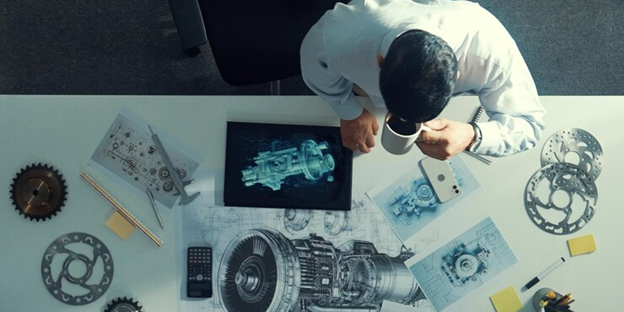
In the dynamic world of product innovation, transforming a brilliant idea into a market-ready solution requires more than creativity. It requires precision, planning, and the right technical expertise. Prototype engineering serves as the bridge between concept and production, enabling innovators to test, refine, and realize their designs. This comprehensive guide will walk you through the process and best practices of engineering prototypes, focusing on how prototype development services, prototype manufacturing, and invention engineering come together under a skilled prototyping company to facilitate new product prototyping.
What is prototype engineering? A complete guide to prototype design and development
Prototype engineering involves creating early models of a product to test its design, functionality, and user experience. Prototypes serve as the foundation for future iterations, ensuring the final product meets market and performance expectations.
- Prototype manufacturing transforms designs into physical models.
- Invention engineering helps refine innovative ideas into workable concepts.
- Prototype development services cover the end-to-end process from design to production.
By using advanced techniques and materials, prototyping companies help clients avoid costly redesigns and bring ideas to life faster.
The engineering prototype lifecycle: from concept design and CAD modeling to testing and manufacturing
-
Conceptualization and product idea validation in engineering prototyping
Before creating a prototype, it’s crucial to understand the problem you’re solving.
- Brainstorm ideas based on user needs.
- Use market research to validate concepts.
- Collaborate with invention engineering experts to refine ideas.
Conceptualization is not just about ideation; it’s also about identifying market gaps and potential competitors. A thorough competitor analysis can provide valuable insights into the features and functions users expect, allowing the engineering team to build a more competitive prototype. During this phase, having input from marketing, engineering, and design professionals ensures a balanced and realistic approach.
-
Engineering design, CAD modeling and digital simulation for prototype development
- Use CAD software to create 3D renderings.
- Apply engineering analysis to test structural integrity.
- Share early designs with a prototyping company for feedback.
Designing a prototype means creating not only a visually appealing product but also a mechanically functional one. CAD tools allow engineers to simulate stress, heat, and motion to determine how the prototype would perform under real-world conditions. This step saves time and resources by flagging potential failures early in the process.
Prototyping companies often run feasibility checks at this stage to assess the viability of the design from a manufacturing perspective. This is crucial for ensuring that your design is manufacturable at scale.
-
Rapid prototyping and engineering prototype manufacturing for functional product models
This is where your ideas take physical form:
- Choose suitable materials based on product requirements.
- Utilize CNC machining, 3D printing, or injection molding.
- Ensure that prototype engineering and prototype manufacturing standards are met.
Manufacturing prototypes can be done in various ways, depending on the intended use of the prototype. If the prototype is for internal testing, rapid prototyping techniques like 3D printing are ideal due to speed and cost. However, if the prototype is going to be used in investor presentations or customer trials, high-fidelity manufacturing methods may be preferred.
It’s also crucial to consider environmental and regulatory requirements during this phase. Whether the product must meet FDA, CE, or ISO standards, your prototype development services partner should help ensure compliance from the start.
-
Prototype testing, performance evaluation and product validation in engineering development
- Conduct mechanical, usability, and stress tests.
- Identify potential failure points.
- Collaborate with prototype development services for iterative improvements.
Testing should be both quantitative and qualitative. Quantitative tests include stress testing, thermal resistance, and drop tests. On the other hand, qualitative tests involve user feedback and interface usability. Both forms are equally important and contribute significantly to refining the final product.
Testing is an ongoing cycle. You build, test, evaluate, and iterate until the prototype performs as intended. This is where the real value of a reliable prototyping company and strong invention engineering team becomes evident.
-
Design refinement, engineering optimization and production-ready prototype finalization
- Refine the prototype based on test feedback.
- Finalize specs for production.
- Begin new product prototyping to prepare for mass manufacturing.
The goal at this stage is to translate all the insights gained from testing into an optimized design ready for production. Final engineering drawings are developed, and the bill of materials (BOM) is completed. DFM (Design for Manufacturing) and DFA (Design for Assembly) principles should be implemented to streamline the transition to production.
This is also a key point to consider scaling logistics and supply chain coordination, ensuring the path from prototype to product launch is smooth.
Ready to move from prototype to production?
We help optimize designs for manufacturing, assembly, and scalability.
Schedule an Engineering ConsultationWhy is engineering prototyping important before manufacturing?
Engineering prototyping plays a critical role in modern product development and engineering design processes. By transforming early concepts into functional prototypes and testable product models, companies can validate ideas, improve design performance, and prepare for manufacturing readiness and commercialization. Businesses that invest in advanced prototype development services and rapid prototyping technologies are better positioned to accelerate innovation, reduce risks, and launch successful products.
Risk reduction through early prototype testing
Product prototyping services help identify design flaws, usability issues, and engineering limitations before moving to full-scale manufacturing. Early-stage functional prototyping, proof-of-concept (PoC) development, design verification, and product validation testing enable engineering teams to refine designs, verify product performance, and reduce technical risks before production. By incorporating design for manufacturability (DFM) and manufacturing readiness assessments early in the development process, organizations can minimize costly redesigns, accelerate product development, and improve overall product quality and time-to-market.
Cost savings in product design and development
Using rapid prototyping, 3D printing, and engineering prototype development methods, companies can avoid costly redesigns later in the product design and development lifecycle. Effective engineering prototyping solutions help optimize materials, manufacturing processes, and product performance before committing to large production investments.
Faster market readiness and time-to-market
Validated prototypes support faster product commercialization and manufacturing readiness. Through prototype testing, iterative design improvements, and engineering validation, organizations can accelerate product development timelines and bring innovative solutions to market more efficiently.
Innovation support through invention engineering
Prototype engineering for innovation and invention engineering enables teams to experiment with new technologies, product concepts, and design ideas. Through electronic product development, rapid prototyping, proof-of-concept (PoC) development, and hardware prototyping, organizations can quickly validate ideas and refine product functionality. Rapid concept prototyping and functional model development help companies explore breakthrough innovations while maintaining engineering feasibility, reducing development risks, and accelerating new product development (NPD) and time-to-market.
Stakeholder and investor confidence
High-quality engineering prototypes, visual product models, and proof-of-concept (PoC) prototypes make it easier to gain approval from investors, stakeholders, and potential customers. Physical or digital prototypes clearly communicate product functionality, usability, design value, and product feasibility, helping teams validate concepts before full-scale development.
With strong prototype development services, rapid prototyping, design verification, product validation, and engineering validation processes, companies can reduce product launch delays, improve manufacturing readiness, optimize the new product development (NPD) process, and accelerate the transition from prototype to production. This structured approach minimizes development risks, enhances product quality, and significantly increases new product success rates in competitive markets.
The right engineering prototyping company should combine product design, engineering, rapid prototyping, prototype testing, and manufacturing expertise to move an idea from concept to a functional, production-ready prototype.
A reputable prototyping partner should offer:
- Prototype manufacturing capabilities using technologies such as 3D printing, CNC machining, and other rapid prototyping methods.
- Cross-industry experience in new product development, including electronics and medical device prototype development.
- End-to-end prototype development services, including CAD design, engineering, prototyping, testing, and design refinement.
- Experienced product and invention engineers who can address functionality, materials, manufacturability, and performance requirements.
When selecting a partner, review their case studies and portfolio. Look for companies that offer end-to-end services, including design, testing, and production consultation. Strong communication, clear timelines, and cost transparency are also critical factors to consider.
Conclusion
Engineering invention prototypes are the backbone of modern product development. They enable creators to explore ideas, avoid costly mistakes, and build better products. By leveraging prototype engineering, prototype manufacturing, and trusted prototype development services, you can bring your innovations to life confidently. Don’t wait for the perfect idea—partner with a leading prototyping company today and turn your concepts into reality through effective new product prototyping.
Investing in engineering and prototypes is an investment in the success of your product. With the right tools, team, and approach, even the most complex ideas can become tangible, testable, and commercially viable products.
Got an idea? Let’s turn it into a market-ready product.
At IDP, we help startups and businesses design smarter, build faster, and confidently launch. From concept to prototype to full-scale production—our experts are here to guide you every step of the way.
Ready to build it right the first time?
Let’s connect at https://innovativedesignproducts.com/get-started/ or call Jennifer Rivkind at 949.748.1902 to discuss your project and obtain a full explanation of our development process.
FAQs
Q1. What is prototype engineering and why is it important?
A: Prototype engineering is the process of creating early models of a product to test design, functionality, and usability. It is essential because it helps identify flaws early, reduces development risks, and ensures the final product meets performance and market expectations.
Q2. How does prototype manufacturing differ from prototype development services?
A: Prototype manufacturing focuses on producing the physical model using techniques like 3D printing, CNC machining, or injection molding. Prototype development services, on the other hand, cover the end-to-end process—from concept and design to testing and refinement—ensuring a smooth transition from idea to production.
Q3. How does IDP support businesses in engineering prototyping?
A: At IDP, our electronic and medical device engineering services provide full-cycle engineering prototyping support, including concept design, CAD modeling, prototyping, testing, and finalization. This expertise enables businesses to reduce costs, accelerate product launches, and create market-ready solutions.
By aligning engineering execution with regulatory requirements, IDP helps ensure prototypes meet industry standards from the outset. This structured approach reduces development risks and supports smoother transitions to manufacturing and commercialization.
Q4. What are the main benefits of working with a professional prototyping company?
A: Partnering with a professional prototyping company ensures access to advanced tools, skilled engineers, and proven processes. This leads to faster turnaround, fewer design errors, improved compliance, and a higher chance of product success in the market.
Q5. Why should companies choose IDP for new product prototyping?
A: Companies choose IDP because we combine engineering precision with creative design expertise. From startups to established enterprises, IDP helps transform ideas into tangible, functional prototypes that are ready for scaling into full production.