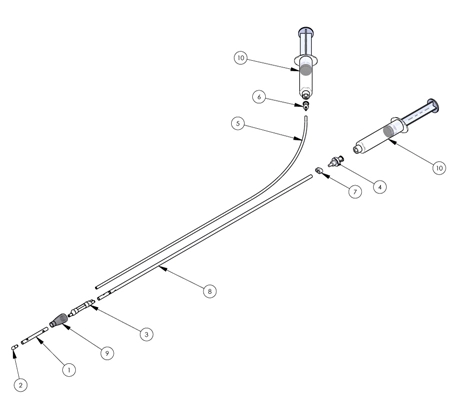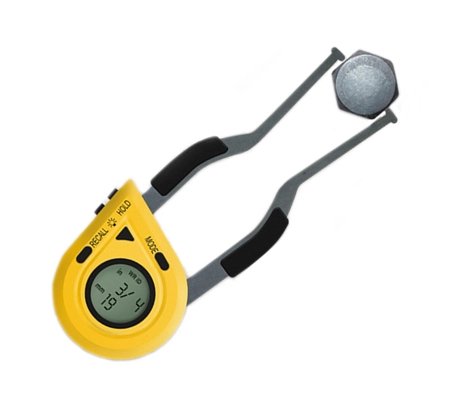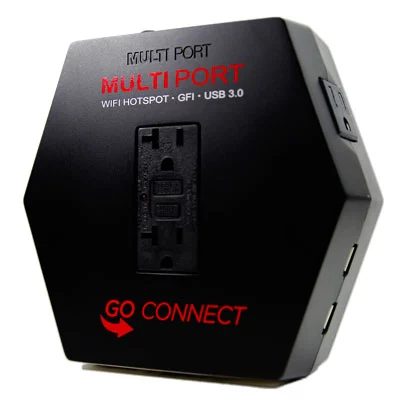
Developing a medical device prototype is one of the most critical steps in transforming a healthcare idea into a safe, functional, and market-ready solution. From early concept validation to regulatory approval, a well-executed medical device prototyping strategy helps reduce development risks, control costs, and accelerate time to market.
Many medical device startups and innovators face challenges such as design failures, regulatory delays, and high development costs due to inadequate prototyping. This is where structured medical device prototype development plays a vital role—enabling teams to test functionality, validate usability, and refine engineering performance before moving to full-scale manufacturing.
By leveraging advanced technologies like 3D printing, CNC machining, and digital simulation, companies can rapidly iterate designs and improve product outcomes. Partnering with an experienced medical device prototype manufacturer, medical device design firm, or medical device engineering services provider further enhances development speed, compliance readiness, and product quality.
In this guide, you’ll learn how to build a medical device prototype step-by-step, including prototyping methods, regulatory considerations, cost factors, and best practices—helping you move from concept to a validated, production-ready medical device with confidence.
In this blog, we walk you through the key stages of creating a medical product prototype—from concept to final creation—ensuring your idea turns into a viable, regulatory-compliant medical product development.
What Is a Medical Device Prototype?(Engineering Models for FDA-Regulated Device Development)
A medical device prototype is an early, testable version of a medical product used to evaluate its design, functionality, usability, safety, and regulatory feasibility before full-scale manufacturing. It serves as a physical or digital model that helps engineers, clinicians, and stakeholders understand how the device will perform in real-world medical environments.
Common Types of Medical Product Prototypes Used in Design Verification & Clinical Validation
-
Concept & Appearance Prototype for Medical Device Design Visualization
This prototype focuses on the overall look, size, shape, and form factor of the medical device. It helps stakeholders visualize the product design early in the development cycle and allows designers to refine aesthetics, device dimensions, and user-facing elements before investing in functional engineering.
-
Functional Medical Product Prototype for Testing Mechanics and Electronics
A functional prototype is created to test how the device works in real conditions. It evaluates mechanical components, electronics integration, and usability performance, ensuring that the device functions as intended before moving to advanced testing stages.
-
Ergonomic and Human Factors Prototype for Clinical Usability Testing
This type of prototype focuses on human interaction with the medical device, particularly in clinical environments. It is designed to assess ergonomics, user safety, and ease of use for healthcare professionals and patients, supporting compliance with human factors engineering requirements in medical device design.
-
Engineering and Pre-Clinical Prototype for Verification and Validation Testing
An engineering or pre-clinical prototype is developed for technical verification, validation testing, and simulated clinical use. It helps engineers confirm that the device meets design specifications, safety standards, and regulatory requirements before entering formal testing or regulatory submission stages.
-
Pilot Production Prototype for Medical Device Manufacturing Readiness
The pilot production prototype is the closest version to the final manufacturable product. It is used to evaluate manufacturing processes, production feasibility, and quality control before scaling to full commercial production, ensuring smoother medical device manufacturing and market launch.
Why Building a Medical Device Prototype Is Critical for Success
Validating the functionality, safety, and usability of a new medical device before going into production is crucial. That’s where prototyping comes in.
Key Reasons to Build a Healthcare Device Prototype for Risk Reduction, Regulatory Approval & Investor Validation
- Test functionality and performance in real-world scenarios
- Validate user interface and ergonomics with healthcare professionals
- Identify design flaws early, saving time and cost in later stages
- Meet regulatory requirements for documentation and testing
- Attract investors or partners with a tangible proof of concept
- Support FDA/ISO regulatory documentation and risk analysis
Medical Product Prototyping Process: From Concept Development to Functional, FDA-Compliant Prototype
Step 1: Clinical Ideation, Needs Assessment & User Requirements Definition
Every successful medical device starts with a clear understanding of the clinical problem it aims to solve.
Things to consider at this stage:
- What is the medical challenge or unmet need?
- Who are the end users (doctors, nurses, patients)?
- What are the desired outcomes (efficiency, safety, accuracy)?
- Are there existing solutions, and how will yours be different?
Documenting your concept early and validating it with clinical advisors can ensure you’re on the right path.
Step 2: Market Research, FDA Regulatory Pathway Planning & Device Classification Strategy
Prototyping in the medical device industry must align with strict regulatory frameworks, such as:
- FDA (U.S.)
- CE Marking (EU)
- ISO
Start by classifying your device based on risk (Class I, II, or III in FDA terms). This classification determines the level of regulatory scrutiny and testing required.
Expert tip: Involve a regulatory consultant early to avoid costly redesigns later.
Step 3: Preliminary Device Design, CAD Modeling & Concept Development Sketches
Once the idea is validated, begin the preliminary design phase. This includes:
- Hand-drawn sketches of the concept
- Feasibility studies to test functionality
- User-centered industrial design considerations to ensure the product meets end-user needs and ergonomics
This phase helps identify potential design challenges and material constraints before moving to physical prototyping.
Step 4: Selecting Biocompatible Medical-Grade Materials & Sterilization-Compatible Components
Choosing appropriate materials is vital for biocompatibility, sterilization, and durability.
Common materials used in FDA-compliant medical product prototypes:
- Silicone – flexible and biocompatible
- ABS or PLA plastics – affordable for rapid prototyping
- Medical-grade stainless steel – ideal for surgical instruments
- Polycarbonate – strong, transparent, and autoclavable
Always ensure that materials meet compliance standards for biocompatibility testing.
Step 5:Rapid Medical Product Prototyping Methods – 3D Printing, CNC Machining & Silicone Molding
Now comes the exciting part: turning your design into a physical prototype.
Popular prototyping methods include:
- 3D Printing
- Great for rapid iterations and complex geometries.
- CNC Machining
- Useful for functional prototypes requiring high precision.
- Injection Molding
- Suitable for producing limited runs of production-like parts.
3D Printing vs. CNC Machining
| Feature / Factor | 3D Printing | CNC Machining |
|---|---|---|
| Best For | Early-stage concepts, complex geometries, rapid iterations | High-precision, functional, and mechanically robust prototypes |
| Speed | Very fast (same-day or next-day builds) | Moderate (depends on complexity, setup, and machining time) |
| Cost | Low for simple models; ideal for multiple iterations | Higher due to tooling, material waste, and machine time |
| Material Options | PLA, ABS, nylon, resin, medical-grade polymers | Aluminum, stainless steel, titanium, PEEK, medical-grade plastics |
| Surface Finish | Rougher finish; may require post-processing | Smooth, production-like finish suitable for functional testing |
| Accuracy & Tolerances | Good accuracy but limited tolerances | Extremely tight tolerances for critical components |
| Ideal Use Cases | Concept models, ergonomic studies, housings, quick form testing | Surgical instruments, implantable components, mechanical parts, test fixtures |
| Biocompatibility | Limited biocompatible materials | Wide range of FDA/ISO-approved biocompatible materials |
| Complexity | Excellent for internal channels, lattice structures | Best for simple-to-moderate geometries |
| Scalability | Low—good only for prototypes | High—easy transition into pre-production machining |
Step 6: Design Verification & Validation (V&V), Bench Testing & Safety Compliance Evaluation
Testing ensures the medical device prototype performs safely and effectively under expected conditions.
Key testing phases:
- Bench testing – assess mechanical integrity and design features
- Pre-clinical testing – use in simulated or animal models
- Usability testing – involve healthcare professionals to provide real-world feedback
Gather as much data as possible. Document every test to comply with FDA or CE requirements.
Step 7: Engineering Design Iteration, Human Factors Refinement & Performance Optimization
Based on testing feedback, revise the design to improve performance, usability, and safety.
Common changes during iteration:
- Tweaking dimensions for better ergonomics
- Replacing or upgrading materials
- Integrating electronics or sensors
- Simplifying for easier manufacturing
Designing a successful device prototype is an iterative process. Patience and adaptability are key.
Step 8: Preparing for Clinical Trials, Design Transfer & Scalable Medical Device Manufacturing
Once your prototype meets all design and safety criteria, it’s time to:
- Finalize design documentation
- Prepare for clinical testing and regulatory submission
- Build a pilot production line or partner with a contract manufacturer
- Ensure traceability and quality control systems are in place
This phase transitions your prototype into a production-ready medical device.
Healthcare Device Prototype Cost Factors, Engineering Expenses & Budget Planning for FDA Submission
Several elements determine the overall budget:
Complexity of the Medical Device
The complexity of the device is a key factor influencing medical device prototype cost. Simple handheld devices may only require basic functional prototypes, while implantable devices, wearable medical devices, or electronics-based systems need advanced engineering, embedded systems integration, and precision design. Higher complexity increases engineering time, development cost, and prototyping effort, especially for devices preparing for FDA submission.
Materials Used in Medical Device Prototyping
The materials used for medical product prototypes significantly affect the overall budget. Many devices require biocompatible or medical-grade materials such as silicone, titanium, or FDA-compliant polymers. These materials are more expensive than standard prototyping plastics but are necessary for functional testing, safety compliance, and regulatory readiness.
Testing and Validation Requirements
Testing and validation are essential in the medical product prototyping process. Prototypes often undergo mechanical testing, usability testing, and biocompatibility assessments to ensure performance and safety. These tests require specialized equipment, lab facilities, and documentation, which increases engineering expenses and development costs.
Number of Prototype Revisions
Medical device development usually involves multiple design iterations and prototype revisions based on testing results or stakeholder feedback. Each revision requires additional engineering work and materials, which increases the total prototyping time and development budget.
Regulatory and FDA Compliance Requirements
Devices intended for FDA approval or ISO certification require extensive documentation, traceability, and compliance processes. Preparing design history files, risk assessments, and validation reports adds time and cost but is critical for regulatory submission and safe market entry.
Typical Timelines for Medical Product Prototypes – From Feasibility Model to Pre-Clinical Validation
While every project is unique, here are common ranges:
-
Appearance Prototype for Industrial Design, Ergonomic Testing & Investor Demonstrations
: 1–3 weeks – Used for visual evaluation, stakeholder presentations, or early user feedback.
-
Functional Prototype for Engineering Validation & Performance Testing
: 4–8 weeks – Designed to test working mechanisms, electronics, or ergonomics.
-
Usability / Human Factors Prototype for FDA Human Factors Engineering Compliance
: 6–12 weeks – Requires testing with end users in real or simulated environments.
-
Pre-clinical / Validation Prototype for Bench Testing, Risk Analysis & Regulatory Submission
: 3–6 months – Built to regulatory standards, ready for verification and validation testing before moving to manufacturing.
Balancing Trade-Offs: Speed vs. Cost vs. Robustness
-
Faster Timelines: Rapid prototyping techniques like 3D printing can reduce time but may compromise durability or material authenticity.
-
Lower Cost: Skipping certain tests or using cheaper materials may save money initially but increases the risk of late-stage design failures.
-
Greater Robustness: Building production-like prototypes with high-grade materials ensures reliability but requires longer timelines and higher investment.
The right balance depends on your project stage, funding, and regulatory pathway. Many companies start with quick, low-cost appearance prototypes and gradually progress to robust, compliant prototypes as the design matures.
Tips for a Successful Medical Device Prototyping Journey– Risk Mitigation, Design Controls & Early Regulatory Planning
Industry Statistics on Medical Device R&D Investment & Regulatory Approval Timelines
- “According to Grand View Research, the global medical device market is projected to reach $857 billion by 2030, emphasizing the growing demand for innovative, compliant prototypes.”
- “Over 30% of medical devices fail in clinical trials due to design or usability issues, highlighting the value of iterative prototyping early in development.”
- “Deloitte reports that prototyping reduces time-to-market by 25–40% for complex medical devices, helping startups save resources and accelerate innovation.”
Expert Insights
- “Early-stage medical device prototyping helps identify flaws that could otherwise cost months in regulatory approvals.” – IDP Engineering Team
- “Engaging clinicians in the testing phase is critical; user feedback ensures that your device is both safe and intuitive.” – IDP Human Factors Team
In-House vs. Outsourced Medical Product Prototyping Services for Startups & OEMs
| Factor | In-House Development | Outsourced Development (with IDP) |
|---|---|---|
| Control | Full IP ownership | Shared, protected via NDA |
| Resources | Requires internal lab, engineers, and tools | Access to specialized engineers & rapid prototyping facilities |
| Speed | Slower due to limited bandwidth | Faster with established processes and expertise |
| Cost | Higher upfront investment | Lower upfront costs & reduced risks |
| Compliance | Teams must learn regulatory requirements | Regulatory experts guide compliance from the start |
Common Mistakes in Medical Product Prototyping – Regulatory Gaps, Poor Risk Management & Inadequate
- Skipping early functional prototypes → Always validate with working models first.
- Focusing on aesthetics too early → Prioritize usability and functionality first.
- Ignoring regulatory requirements → Engage FDA/CE consultants early to avoid costly redesigns.
- Insufficient testing with end-users → Conduct usability studies with clinicians.
- Poor documentation → Log every iteration, test result, and design change to support regulatory submissions.
Who Needs Medical Device Prototype Development?(Startups, OEMs, Hospitals & MedTech Innovators)
This is essential for organizations and innovators looking to transform healthcare ideas into safe, functional, and regulatory-ready products. This process is especially valuable for:
-
Medical device startups developing new products and needing rapid, cost-effective validation before investor pitches or regulatory submission.
-
Digital health & wearable companies building connected, sensor-based, or remote patient monitoring devices that require iterative testing and user validation.
-
Surgical instrument manufacturers refining precision tools where ergonomics, durability, and sterilization compatibility are critical.
-
Hospital innovation teams translating clinician-led ideas into practical medical solutions for real-world clinical environments.
-
Medtech R&D departments accelerating innovation while reducing development risk through early-stage prototyping and testing.
-
Academic & clinical researchers converting research concepts into physical prototypes for grants, trials, and commercialization pathways.
Regulatory Compliance in Heathcare Device Prototyping – FDA 510(k), ISO 13485 & MDR Requirements
Developing a healthcare device prototype is not just about functionality and usability—it also requires strict adherence to regulatory standards. Compliance ensures your prototype can safely progress to clinical trials, regulatory submission, and eventual manufacturing.
Key Regulatory Standards for Medical Device Prototypes:
-
FDA (U.S.) – FDA 510(k) Clearance, Design Controls & Medical Device Regulatory Pathways
In the United States, medical device prototyping must align with FDA regulatory requirements, especially for companies preparing for FDA 510(k) submission, De Novo classification, or PMA approval. The FDA evaluates device safety, effectiveness, and substantial equivalence before market entry.
- Classifies devices into Class I, II, or III based on risk.
-
Prototype documentation must include design controls, risk analysis, usability studies, and verification/validation testing.
-
Early compliance planning can prevent costly redesigns during regulatory submission.
-
ISO Standards – ISO 13485 Certification, ISO 14971 Risk Management & Quality Management Systems (QMS)
ISO standards play a critical role in ensuring quality, safety, and consistency in medical device prototyping and manufacturing. Implementing an ISO 13485-certified Quality Management System (QMS) is often essential for regulatory approval and global market access.
-
ISO 13485: Quality management systems for medical devices.
-
ISO 10993: Biological evaluation for biocompatibility of materials.
-
Ensures prototypes meet internationally recognized safety and quality standards.
-
-
CE Marking (EU)
For access to the European market, medical devices must comply with the EU Medical Device Regulation (MDR 2017/745) and obtain CE marking certification. MDR introduces stricter requirements compared to previous directives, particularly for high-risk devices.
- Demonstrates conformity with European health, safety, and environmental protection standards.
-
Prototypes for devices intended for the EU must consider CE compliance early in the design process.
Best Practices for Regulatory Compliance in Prototyping:
-
Engage Regulatory Experts Early: Collaborate with FDA/CE consultants to classify your device and align design and testing with requirements.
-
Document Every Iteration: Maintain detailed records of design changes, materials used, and testing results to support regulatory submission.
-
Use Compliant Materials: Only select biocompatible and sterilizable materials approved for medical use.
-
Perform Usability & Risk Testing: Conduct human-factors studies with clinicians to ensure safety, ergonomics, and intuitive operation.
-
Iterate Before Final Validation: Make design refinements based on feedback while maintaining regulatory documentation for every change.
By integrating regulatory compliance from the beginning, your medical device prototype not only meets safety and usability standards but also streamlines the path to market approval, reducing delays and increasing investor confidence.
-
Emerging Trends in Medical Product Prototype Development – AI Integration, Smart Wearables & Digital Health Innovation
- AI-Assisted Design: Optimizes CAD models, predicts design flaws, and accelerates iterations.
- IoT-Enabled Devices: Integrates smart sensors and remote patient monitoring features into prototypes.
- Sustainable Materials: Biodegradable or recyclable components are gaining investor and regulatory attention.
- Rapid Prototyping & Digital Twins: Speeds up design iterations and simulates real-world performance virtually.
Final Thoughts
A well-developed medical device prototype is essential for validating design, ensuring regulatory compliance, and reducing development risks before manufacturing. By combining rapid prototyping, engineering expertise, and iterative testing, companies can accelerate innovation and improve product success rates.
Partnering with an experienced medical device prototype manufacturer and medical device engineering services provider like IDP ensures faster development cycles, better design accuracy, and smoother regulatory approval. As technologies like AI-driven prototyping and digital simulation continue to evolve, investing in the right prototyping strategy will be critical for bringing safe, effective medical devices to market.
Do you have a groundbreaking medical device design idea? Let’s turn it into a safe, tested, and market-ready prototype.
FAQs
1. What are the regulatory requirements for developing a medical device prototype?
Medical devices must comply with strict regulatory standards to ensure safety and effectiveness. Regulatory requirements depend on the classification of the device (Class I, II, or III under FDA in the U.S., or MDR/CE in Europe). For prototypes, documentation of design controls, risk management, usability testing, and verification/validation is required. Biocompatibility of materials, sterilization processes, and electronic safety (if applicable) must also be considered. Planning regulatory compliance early saves time and prevents costly redesigns.
2. How long does it take to design and develop a functional medical device prototype?
The timeline depends on complexity, materials, and testing requirements. A simple appearance prototype can take 2–4 weeks, while a functional prototype with electronics and multiple components may take 2–3 months. Pre-clinical and regulatory-grade prototypes often take 6 months or more. At IDP, we use rapid prototyping techniques like 3D printing and CNC machining to shorten development time while ensuring regulatory standards are met.
3. What materials are best suited for healthcare device prototypes?
Materials must be selected for biocompatibility, durability, and sterilization compatibility. Common materials include medical-grade silicone (flexibility), stainless steel (strength), ABS/PLA plastics (rapid prototypes), and polycarbonate (transparency and strength). The choice depends on whether the prototype is for visualization, functional testing, or regulatory trials. Using the right material ensures accurate performance data and smoother regulatory approval.
4. How much does it cost to develop a medical device prototype?
The cost of developing a medical device prototype varies depending on device complexity. Simple, non-functional prototypes may cost a few thousand dollars, while functional prototypes with electronics, sensors, or advanced materials can reach tens of thousands. Regulatory-ready prototypes for clinical trials or FDA submission may exceed $100,000. Working with an experienced medical device prototype manufacturer helps ensure accurate budgeting. At Innovative Design Products (IDP), we provide custom prototyping estimates based on device complexity, materials, and testing requirements, helping companies plan their medical device development costs effectively.
5. How do you ensure user safety and usability in healthcare device prototypes?
User safety is ensured through risk analysis, biocompatibility testing, and adherence to standards like ISO 10993 (biological evaluation of medical devices). Usability testing with clinicians and patients identifies design flaws in ergonomics, visibility, or control layouts. Regulatory agencies often require documented evidence of human-factors testing. By engaging end-users early and iterating prototypes, safety and usability are improved before final production.
6. What testing and validation steps are needed for medical device prototypes?
Testing involves multiple stages:
- Bench testing (mechanical, electrical, functional performance).
- Biocompatibility and sterilization validation.
- Usability/human-factors testing with healthcare professionals.
- Pre-clinical trials (animal studies, if applicable).
- Verification & validation against regulatory standards.
This staged approach ensures the device works as intended and complies with FDA, CE, or ISO regulations before scaling to production.
7. What comes after prototype development: mass production, regulatory approval, or clinical trials?
After a prototype is finalized, the next step depends on its purpose. If it’s for regulatory submission, the prototype undergoes verification/validation and is included in the documentation package. Clinical trials may follow for higher-risk devices. Once approved, the design is transferred to large-scale manufacturing. Many companies, including IDP, support clients beyond prototyping by assisting with pilot production runs, supplier sourcing, and preparing for regulatory submissions.
8. How do I choose the right medical device prototype manufacturer?
Choosing the right medical device prototype manufacturer depends on regulatory expertise, engineering capabilities, and experience with your device category. Look for a manufacturer that understands FDA and CE requirements, follows design controls, and can support documentation for 510(k) or MDR submissions. In-house capabilities such as industrial design, mechanical/electrical engineering, material selection, and rapid prototyping (3D printing, CNC machining) are critical for speed and accuracy. An experienced medical device prototype service provider like IDP also offers guidance on risk management, usability testing, and design for manufacturability, helping reduce costly redesigns and accelerate time to market.