
Medical device engineering is the cornerstone of modern healthcare innovation, combining biomedical engineering, medical device design and development, electronics engineering, embedded systems, software development, and regulatory-focused product engineering to create safe, reliable, and effective healthcare technologies. It brings together multiple engineering disciplines across medical product design, product development, rapid prototyping, device testing, risk management, design verification, and validation to improve patient outcomes, clinical performance, usability, and healthcare delivery.
This professional guide explores the complete medical devices engineering lifecycle, covering medical product development, medical device prototyping, product engineering, design controls, risk analysis, design verification and validation (V&V), FDA compliance, ISO 13485 quality management systems, IEC standards, and manufacturing readiness. It also examines emerging healthcare technology trends, including connected medical devices, IoT-enabled healthcare systems, wearable medical technology, digital health solutions, remote patient monitoring, smart medical devices, and advanced medical device engineering services. Together, these capabilities help medical device companies, healthcare innovators, OEMs, and startups move efficiently from concept development and feasibility to engineering design, regulatory approval, manufacturing, and compliant medical device commercialization.
Table of Contents
- Introduction to Medical Device Engineering
- Categories of Medical Devices
- The Design & Development Process
- Core Principles of Medical Devices Engineering
- Materials and Manufacturing Techniques
- Prototyping and Rapid Iteration
- Regulatory Compliance and Certification Standards
- Testing, Validation, and Quality Assurance
- Emerging Trends
- Case Studies & Practical Examples
- FAQs
Introduction
Medical devices engineering is a specialized field that focuses on designing, creating, and validating medical devices. These devices range from simple tools like thermometers to complex systems such as robotic surgical instruments. The primary goal is to ensure devices are safe, reliable, and effective in clinical applications.
Medical devices engineers work closely with clinicians, researchers, and manufacturers to develop products that comply with international standards. The field requires a multidisciplinary approach, blending mechanical, electrical, software, and biomedical engineering expertise.
This discipline not only ensures device performance but also drives innovation in healthcare, leading to improved diagnostics, monitoring, and treatment outcomes.
Categories of Medical Devices
Medical devices are classified based on complexity, risk, and intended use. The primary categories include:
| Device Category | Examples | Risk Level |
| Class I | Bandages, stethoscopes | Low |
| Class II | Infusion pumps, diagnostic imaging equipment | Medium |
| Class III | Pacemakers, implantable devices | High |
Key Insight: Understanding classification helps engineers follow the correct regulatory path and ensures patient safety.
Devices can also be categorized by function, such as diagnostic, therapeutic, monitoring, or assistive devices. This classification guides design considerations, material selection, and testing protocols.
Medical device design & development process under FDA design controls & ISO 13485 standards
The medical device development process follows a structured lifecycle to ensure safety, efficacy, and compliance. The process typically includes:
Product ideation & concept development services
- Identify unmet clinical needs.
- Define the device’s target audience and use case.
- Outline technical feasibility and expected outcomes.
Product feasibility analysis & development planning
- Evaluate technological feasibility and design constraints.
- Consider cost implications and manufacturing capabilities.
- Conduct early risk assessments and preliminary clinical validation.
Detailed product design & engineering services
- Develop mechanical, electrical, and software components.
- Create CAD models and schematics.
- Simulate performance under real-world conditions.
Prototyping and iteration
- Build functional medical device prototypes for testing.
- Iterate designs based on usability, performance, and feedback.
- Conduct bench tests to identify potential failures.
Product verification & validation testing services
- Verify that the device meets design specifications.
- Validate that it performs as intended in clinical scenarios.
- Document all testing and modifications for regulatory compliance.
Regulatory approval & product compliance support
- Submit documentation to regulatory authorities.
- Ensure adherence to FDA, ISO 13485, and CE requirements.
Manufacturing transition & production support
- Finalize production methods.
- Scale up while maintaining quality control.
- Implement post-market monitoring for ongoing safety.
How to develop a medical device: Step-by-step product engineering, risk management & compliance process
Developing a medical device requires a structured engineering approach that balances innovation, patient safety, and regulatory compliance. Below is a step-by-step overview of how healthcare device engineering teams transform ideas into market-ready healthcare solutions.
Step 1: Identifying Clinical Needs & Defining User Requirements Specifications (URS)
The process begins with identifying unmet clinical needs through collaboration with healthcare professionals, patients, and stakeholders. Engineers define the intended use, target users, operating environment, and risk classification of the device. Clear product requirements ensure alignment with clinical expectations and regulatory pathways.
Step 2: Design and Engineer the Medical Device
Once requirements are established, engineers create detailed mechanical, electrical, and software designs. CAD models, system architecture diagrams, and usability considerations are developed at this stage. Human factors engineering is applied to ensure the device is safe, intuitive, and effective for end users.
Step 3: Build and Evaluate Medical Device Prototypes
Prototypes are created to validate design assumptions and test functionality. Techniques such as 3D printing, CNC machining, and rapid electronics prototyping allow teams to evaluate form, fit, and performance. Feedback from testing is used to refine the design through multiple iterations.
Step 4: Design Verification & Validation (V&V) Testing, Usability Studies & Performance Evaluation
Verification confirms that the device meets all design specifications, while validation ensures it performs as intended in real-world clinical scenarios. Engineers conduct functional testing, risk assessments, and usability evaluations while maintaining detailed documentation to support regulatory submissions.
Step 5: FDA 510(k), CE Marking & Global Regulatory Submission Preparation
Regulatory readiness is addressed by compiling technical documentation, risk management files, and quality records. Compliance with standards such as FDA 21 CFR, ISO 13485, IEC 60601, and CE marking requirements is critical to gaining market approval and ensuring patient safety.
Step 6: Scaling Medical Device Manufacturing, Quality Systems & Product Lifecycle Management (PLM)
After approval, the focus shifts to scalable manufacturing, quality control, and supply chain readiness. Design-for-manufacturing principles help ensure consistent production. Post-market surveillance and continuous improvement support long-term device performance and regulatory compliance.
Core principles – safety, biocompatibility & quality assurance
User-centered design
Medical devices should always focus on the needs of the end user, whether it is a patient, caregiver, or clinician. A user-friendly design improves safety, usability, accessibility, and overall patient experience.
Risk management
Risk management is essential in medical product engineering. Teams must identify, evaluate, and reduce potential risks throughout the product lifecycle to minimize patient harm and improve device reliability.
Interdisciplinary collaboration
Successful medical device development requires collaboration across multiple engineering and healthcare disciplines. Combining expertise from software, electronics, mechanical engineering, and clinical research helps create innovative and reliable medical devices.
Data-driven medical device design
Clinical data, research findings, and patient feedback play a key role in device development. Using real-world insights helps improve device performance, accuracy, and patient outcomes.
Scalability and sustainability
Medical devices should support efficient manufacturing, long-term maintenance, and future scalability. Sustainable design practices also help reduce environmental impact while improving operational efficiency.
Medical-grade materials, biocompatible polymers & precision manufacturing techniques
Material selection significantly impacts device safety, performance, and durability.
Common Materials:
- Polymers: Lightweight, biocompatible, and flexible. Used in implants and disposable devices.
- Metals: Stainless steel, titanium, and alloys for surgical tools and implants.
- Ceramics: Strong, wear-resistant materials for prosthetics and implantable components.
Manufacturing Methods:
- CNC machining for precision components.
- Injection molding for high-volume plastic parts.
- Additive manufacturing (3D printing) for rapid prototyping and custom implants.
- Microfabrication for sensors and miniaturized electronics.
Material selection and manufacturing choices are influenced by device functionality, intended use, and regulatory standards.
Medical device prototyping & rapid iteration using 3D printing, CNC machining & pilot production
Medical device prototyping and rapid iteration are essential parts of the medical device design and development process, enabling teams to transform innovative concepts into functional, test-ready healthcare devices. By leveraging advanced rapid prototyping technologies such as 3D printing, CNC machining, digital simulation, and pilot production, companies can accelerate medical product development, engineering validation, and manufacturing readiness while reducing design risks and development costs.
Applications in healthcare, diagnostics, wearables & connected medical technologies
Healthcare devices engineering plays a critical role across a wide range of healthcare industries and the medical devices industry, supporting the development of safe, reliable, and innovative solutions that improve patient outcomes. By combining engineering expertise, problem solving, and clinical insight, electrical engineers and multidisciplinary teams enable the translation of healthcare and life sciences needs into a market-ready medical device product.
Diagnostic Medical Devices
Medical product engineering supports the design of diagnostic equipment such as imaging systems, blood analyzers, and point-of-care testing devices. Engineers focus on accuracy, data integrity, and regulatory compliance to ensure dependable clinical decision-making.
Implantable Medical Devices
Implantable devices such as pacemakers, orthopedic implants, and neurostimulators require advanced healthcare device engineering to address biocompatibility, long-term durability, and patient safety. Design controls and risk management are essential throughout development.
Wearable and Remote Monitoring Devices
Wearable medical devices, including fitness trackers and remote patient monitoring systems, rely on device engineering to integrate sensors, embedded software, wireless connectivity, and usability engineering for continuous health monitoring.
Surgical Instruments and Robotics
This enables precision-driven surgical tools and robotic-assisted systems that improve procedural accuracy, reduce recovery times, and enhance clinician control in minimally invasive procedures.
Digital Health and Software as a Medical Device (SaMD)
Medical product engineering also extends to digital health platforms and software-based medical devices. Engineers ensure software reliability, cybersecurity, interoperability, and compliance with standards such as IEC 62304 and FDA SaMD guidance.
Key skills, CAD tools & regulatory documentation software used in healthcare devices engineering
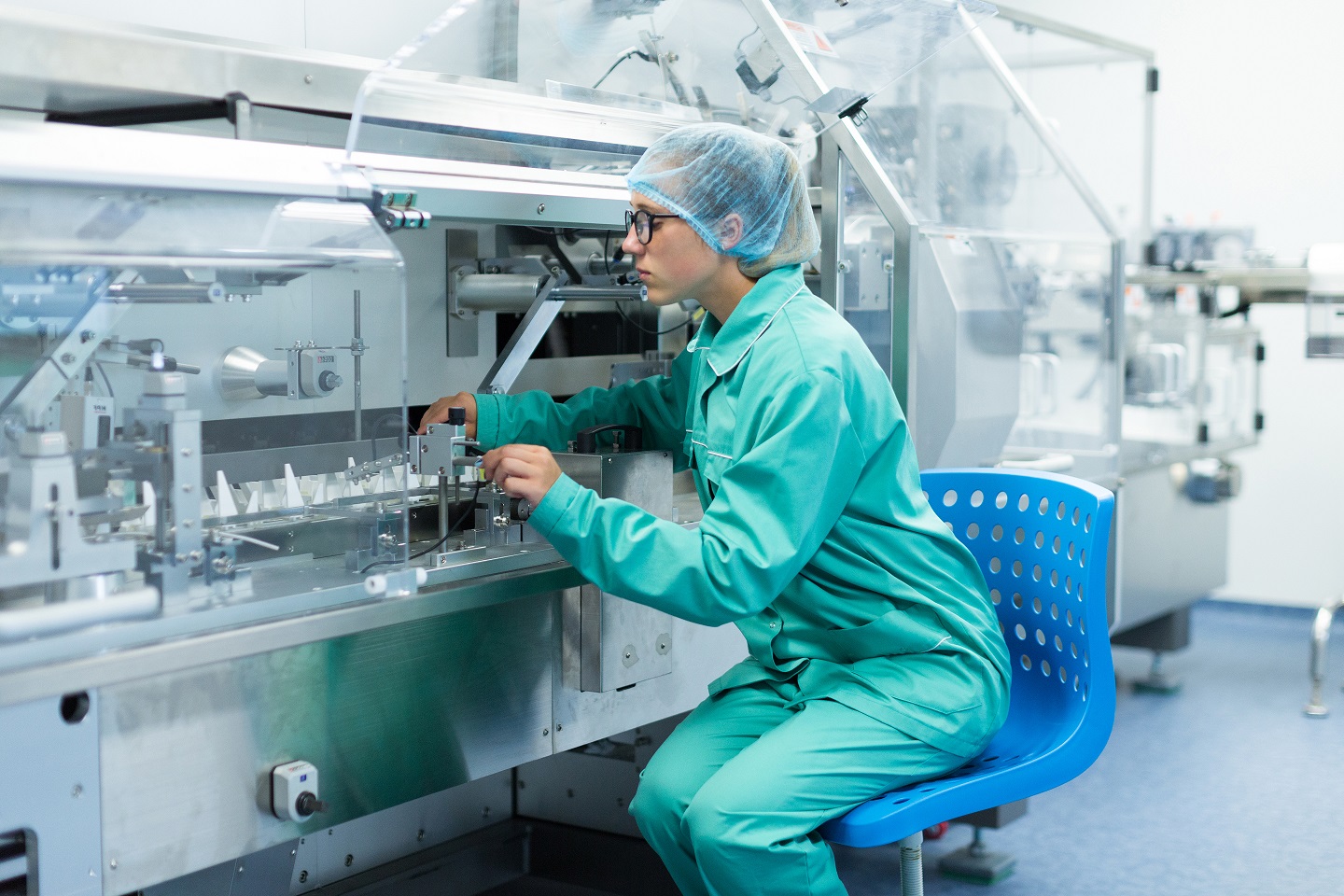
Successful healthcare devices engineering requires a combination of technical expertise, regulatory knowledge, and interdisciplinary collaboration. Engineers must apply structured methodologies and advanced tools to ensure devices meet both clinical and regulatory expectations.
Core Engineering Skills
-
Medical device design and development using design control principles
-
Risk management and hazard analysis in accordance with ISO 14971
-
Usability and human factors engineering to improve safety and user experience
-
Systems engineering for complex electromechanical and software-driven devices
-
Verification and validation planning across the product lifecycle
Design and Development Tools
-
CAD software such as SolidWorks and Creo for mechanical design
-
Simulation tools for stress, thermal, and fluid analysis
-
Prototyping technologies including CNC machining and additive manufacturing
-
Software development frameworks compliant with IEC 62304
Quality and Regulatory Tools
-
Design History File (DHF) and Device Master Record (DMR) documentation
-
DFMEA and PFMEA for risk identification and mitigation
-
Clinical evaluation and post-market surveillance tools
-
Quality management systems aligned with ISO 13485 and FDA requirements
These skills and tools enable medical device engineers to deliver safe, scalable, and compliant products for global markets.
Regulatory Complexity in Medical Device Development – FDA, MDR & Global Compliance Challenges
Medical device regulations vary across countries, regions, and device classifications. Managing compliance with standards such as FDA regulations and MDR requirements can be complex. Integrating regulatory planning into the early design phase helps reduce approval delays, avoid costly redesigns, and improve compliance readiness.
Design for Usability and Safety in Medical Devices – Human Factors Engineering & Clinical Risk Reduction
Medical devices must be easy and safe to use in clinical environments. Poor usability can increase the risk of user errors and patient safety issues. Applying human factors engineering and conducting usability testing helps create intuitive, user-friendly, and reliable medical devices.
Risk Management and Patient Safety in Medical Product Device Engineering – ISO 14971 & Hazard Analysis
Risk management is a continuous process throughout the medical device lifecycle. Engineering teams must identify, assess, and mitigate potential hazards at every stage of development. Following structured frameworks such as ISO 14971 and performing ongoing validation helps reduce adverse events and improve patient safety.
Technology Integration and Reliability in Connected Medical Devices – Embedded Systems & Software Validation
Modern medical devices often combine hardware, software, sensors, and connectivity features. Integrating these technologies increases engineering complexity. Thorough verification, software validation, and performance testing help ensure reliable operation under real-world conditions.
Scalability and Manufacturing Constraints in Medical Devices – Design for Manufacturability (DFM) & Production Efficiency
A prototype that performs well may still face manufacturing and scalability challenges. Early collaboration between engineering and manufacturing teams supports efficient production planning and cost optimization. Design-for-manufacturing (DFM) practices also help improve scalability, quality consistency, and operational efficiency.
By addressing these challenges proactively, healthcare device engineering teams can streamline development, maintain regulatory compliance, and deliver safe, high-quality medical devices to the market.
Healthcare devices engineering vs biomedical engineering: Career scope, regulatory focus & industry applications
Although healthcare device engineering and biomedical engineering are closely related, they serve distinct roles within healthcare innovation. Understanding the difference helps organizations, engineers, and students choose the right expertise for product development and regulatory success.
Healthcare device engineering focuses specifically on the design, development, testing, and regulatory compliance of medical devices intended for clinical use. Engineers in this field work on devices such as diagnostic equipment, implantable systems, wearable health monitors, and surgical instruments. A strong emphasis is placed on design controls, risk management, usability engineering, and regulatory standards such as FDA 21 CFR, ISO 13485, and IEC guidelines.
Biomedical engineering, on the other hand, has a broader scope. It applies engineering principles to biology and medicine, often supporting research, diagnostics, tissue engineering, biomechanics, and medical imaging. Biomedical engineers may work in academic research, clinical environments, or early-stage innovation without being directly responsible for regulatory submissions.
Key differences
| Aspect | Healthcare Device Engineering | Biomedical Engineering |
|---|---|---|
| Primary Focus | Commercial medical device development | Biological and medical research applications |
| Regulatory Responsibility | High (FDA, ISO, CE compliance) | Limited or indirect |
| Industry Application | MedTech companies, manufacturing, product engineering | Hospitals, research labs, academia |
| Core Skills | Design controls, risk management, validation, usability | Biomechanics, biomaterials, systems biology |
| Outcome | Market-ready, compliant medical devices | Research outputs, prototypes, innovation concepts |
From an industry perspective, medical product engineering is product-driven, while biomedical engineering is often research-oriented. Both disciplines work closely together, but medical device engineers ensure innovations reach the market safely, reliably, and in full regulatory compliance. The manufacture of medical devices relies on cutting-edge engineering and strict quality standards to deliver safe and effective solutions.
Regulatory compliance & certification standards – FDA, ISO 13485, CE & MDR requirements
Compliance with regulatory standards is essential to ensure safety and market access.
| Standard | Purpose |
| ISO 13485 | Quality management system for medical devices |
| IEC 60601 | Electrical safety for medical equipment |
| FDA 21 CFR Part 11 | Electronic records compliance |
| CE Marking | EU market approval |
Engineers must stay updated with evolving regulations to avoid delays in product approval and ensure global compliance.
Medical device testing, validation protocols & quality management systems (QMS)
Robust testing and validation are critical for device safety:
- Functional Testing: Confirms device operates as intended.
- Biocompatibility Testing: Ensures materials are safe for human use.
- Software Verification: Validates embedded systems and algorithms.
- Environmental Testing: Assesses performance under temperature, humidity, and vibration stress.
Documenting these processes ensures traceability and supports regulatory submissions.
Emerging trends – AI, digital health, smart implants & connected devices
Healthcare device engineering is rapidly evolving, driven by technology and patient-centered care:
- AI and Machine Learning: Enable predictive diagnostics and personalized therapies.
- Wearable Technology: Real-time monitoring of patient health.
- IoT Integration: Smart devices that connect to healthcare networks.
- Sustainable Design: Use of environmentally friendly materials and energy-efficient production.
- Personalized Devices: Custom prosthetics, implants, and surgical tools.
Staying ahead of trends ensures engineers develop innovative solutions aligned with market and clinical demands.
Case studies & practical examples
Case Study: Portable Glucose Monitoring Device
- Designed for home use with wireless connectivity.
- Complied with ISO 13485 quality management standards.
- Resulted in improved patient adherence and better glycemic control.
Case Study: AI-Enabled Diagnostic Imaging Tool
- Used machine learning to detect early-stage diseases.
- Reduced diagnostic errors by 30% in clinical trials.
- Demonstrated the potential of AI in improving clinical outcomes.
Case Study: Custom 3D-Printed Prosthetic
- Patient-specific design improved fit and comfort.
- Reduced production time and cost compared to traditional methods.
Ready to bring your medical device idea to life?
Partner with IDP for innovative product design, rapid prototyping, regulatory-ready development, and market-ready healthcare solutions. Contact IDP today to start your next breakthrough project.
Get Started
FAQs
Q: What is medical devices engineering?
A: Medical devices engineering is a multidisciplinary field focused on designing, developing, and validating medical devices. It ensures devices are safe, reliable, and effective for patient care. Engineers combine mechanical, electrical, software, and biomedical expertise to innovate healthcare solutions.
Q: How long does medical device development take?
A: The medical product development timeline varies depending on complexity. Simple devices may take around 12 months, while complex implantable or AI-enabled devices can take 3–5 years or more. Timelines include design, prototyping, testing, and regulatory approval.
Q: Which materials are commonly used?
A: Polymers, metals such as stainless steel and titanium, ceramics, and composites are most common. Material choice depends on device function, biocompatibility, and durability requirements. Proper selection ensures safety, reliability, and regulatory compliance.
Q: Why is regulatory compliance substantial?
A: Regulatory compliance ensures devices are safe, effective, and meet international standards. It facilitates market approval in regions like the US and EU. Compliance also minimizes legal risks and enhances patient trust in the device.
Q: How does medical product engineering differ from general product engineering?
A: Medical product engineering requires strict regulatory compliance, extensive validation, and patient safety considerations. Unlike general product engineering, it involves clinical risk management, biocompatibility testing, and adherence to standards such as ISO 13485 and FDA regulations.
Q: When should regulatory requirements be considered in medical device development?
A: Regulatory requirements should be considered from the earliest design stages. Early integration of compliance reduces redesign risks, shortens approval timelines, and ensures smoother certification with authorities like the FDA and EU regulators.
Q: How do you choose the right medical product engineering firm?
A: Choosing the right medical device engineering firm depends on its regulatory expertise, prototyping capabilities, and experience with similar devices. Look for firms that follow ISO 13485 standards, understand FDA and CE requirements, and offer end-to-end support from concept to commercialization.
Conclusion:
Medical device engineering services play a critical role in transforming innovative healthcare concepts into safe, compliant, and market-ready products. From medical device design and product engineering to prototyping, validation, and regulatory compliance, these services ensure that every stage of development meets strict clinical and quality standards.
A strategic approach to medical product device engineering services helps organizations reduce development risks, accelerate time-to-market, and ensure compliance with FDA regulations, ISO 13485, and global certification requirements. By integrating engineering expertise with regulatory knowledge and advanced technologies, companies can deliver reliable and high-performance healthcare solutions.
With the rise of AI-driven healthcare, wearables, and digital health ecosystems, investing in advanced MedTech engineering, cybersecurity, and patient-centric design is key to staying competitive, developing the right skill set, improving patient care, enhancing quality of life, and delivering next-generation healthcare solutions.
Whether you are a startup, OEM, or established MedTech company, partnering with an experienced industrial design company of medical product engineering services can streamline product development, optimize costs, and improve commercialization success.